01
ROLE
Initiated topic and executed all design work
SCOPE
App-wide UX across a legacy workflow automation product
FOCUS
Incremental UX modernisation and design-system alignment
OUTCOME
Formed the basis for later modernisation and UI alignment work
01 / PROBLEM
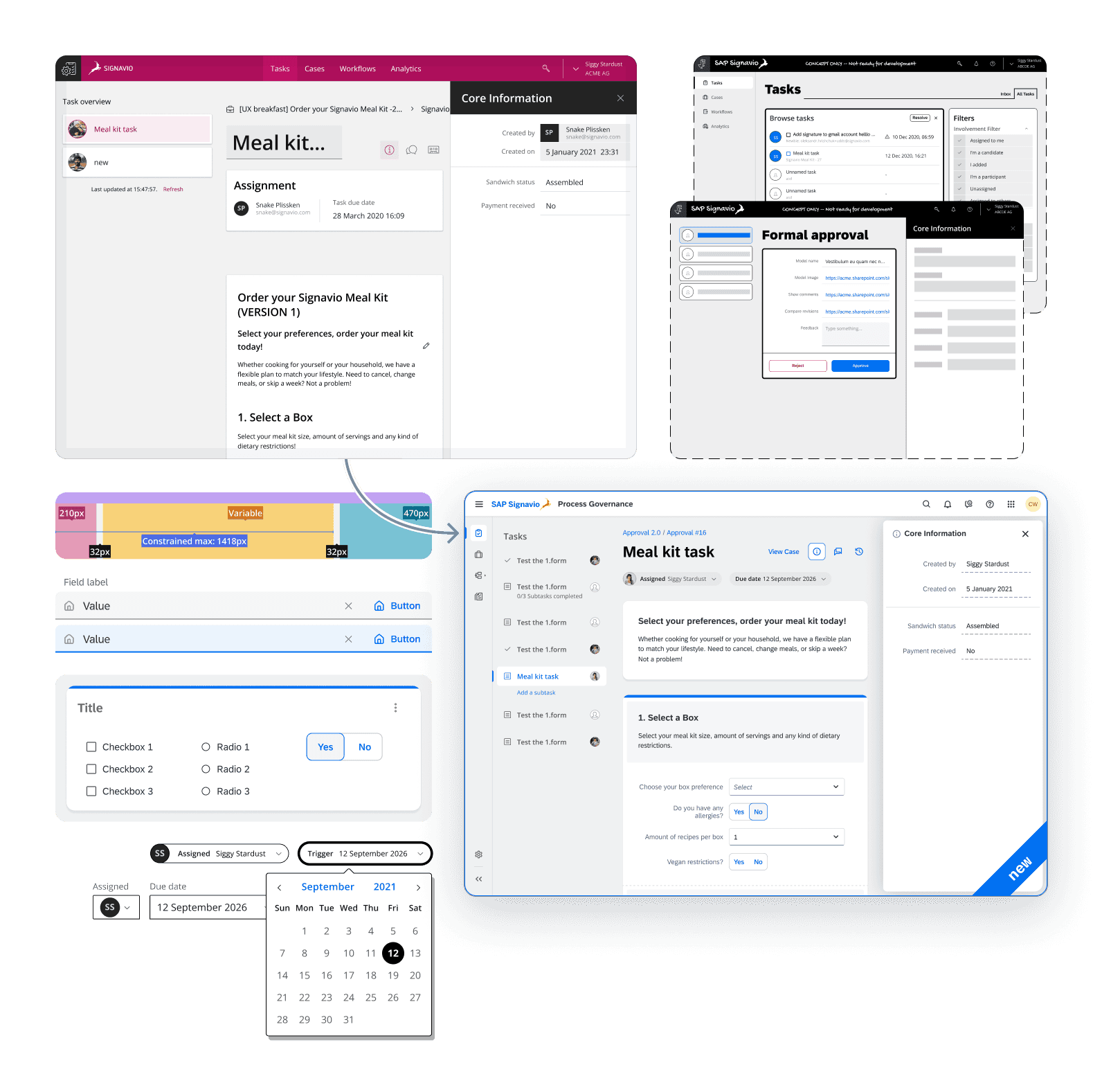
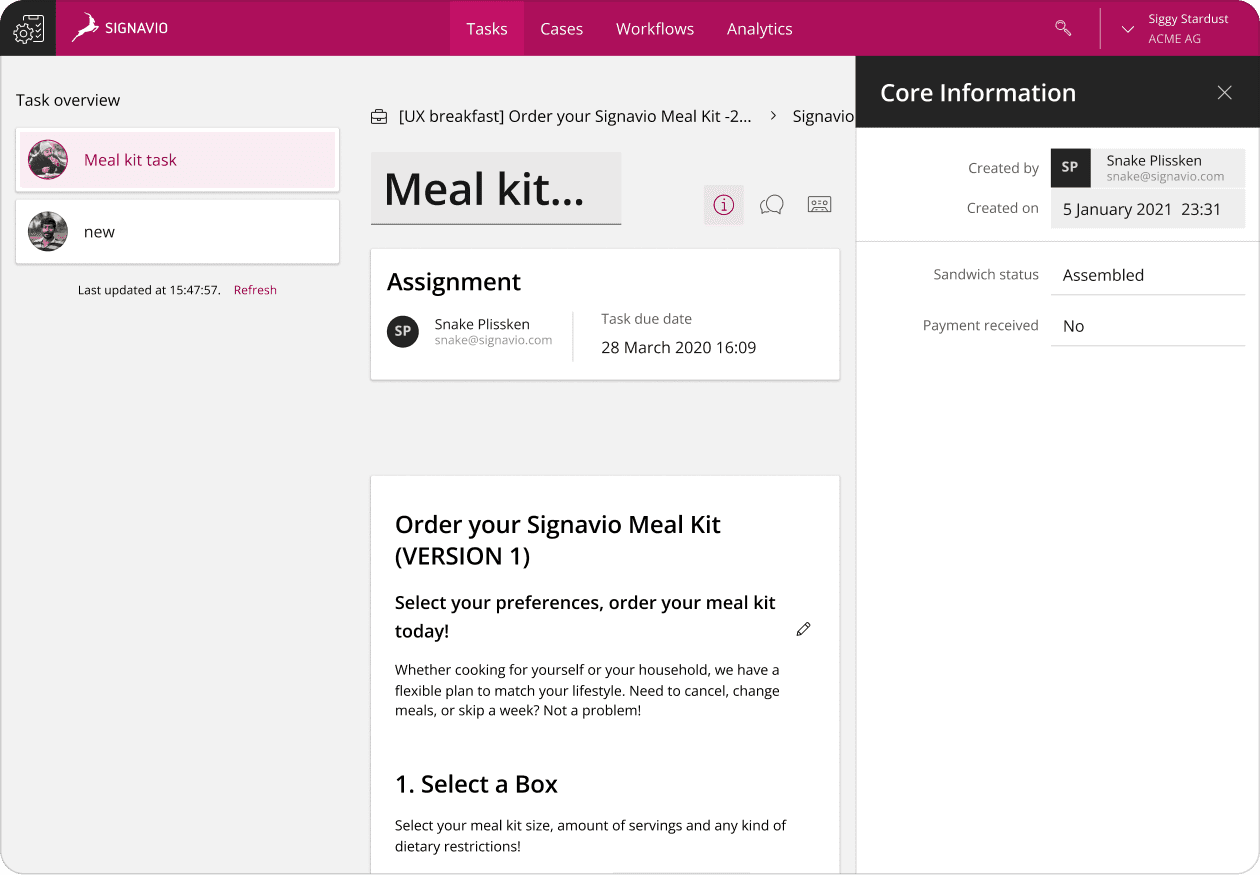
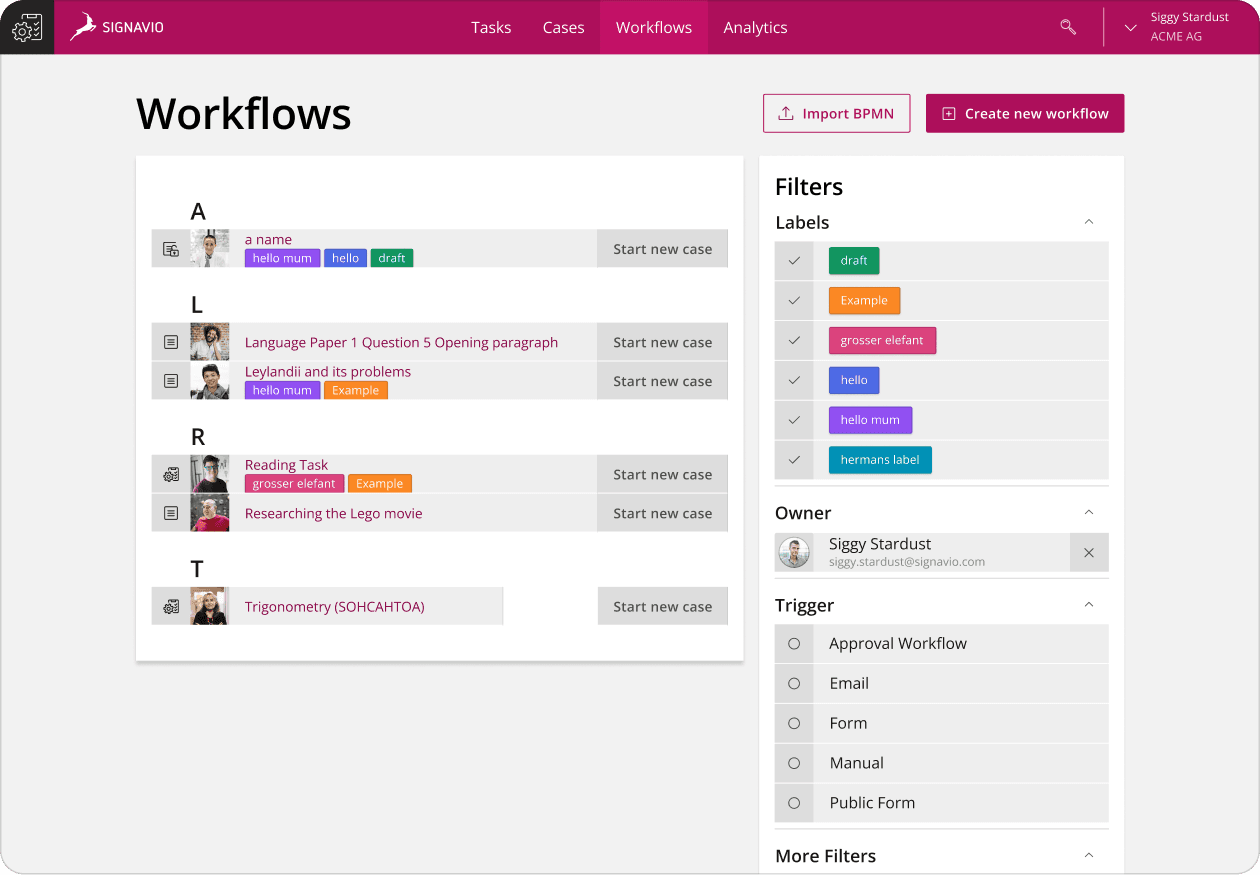
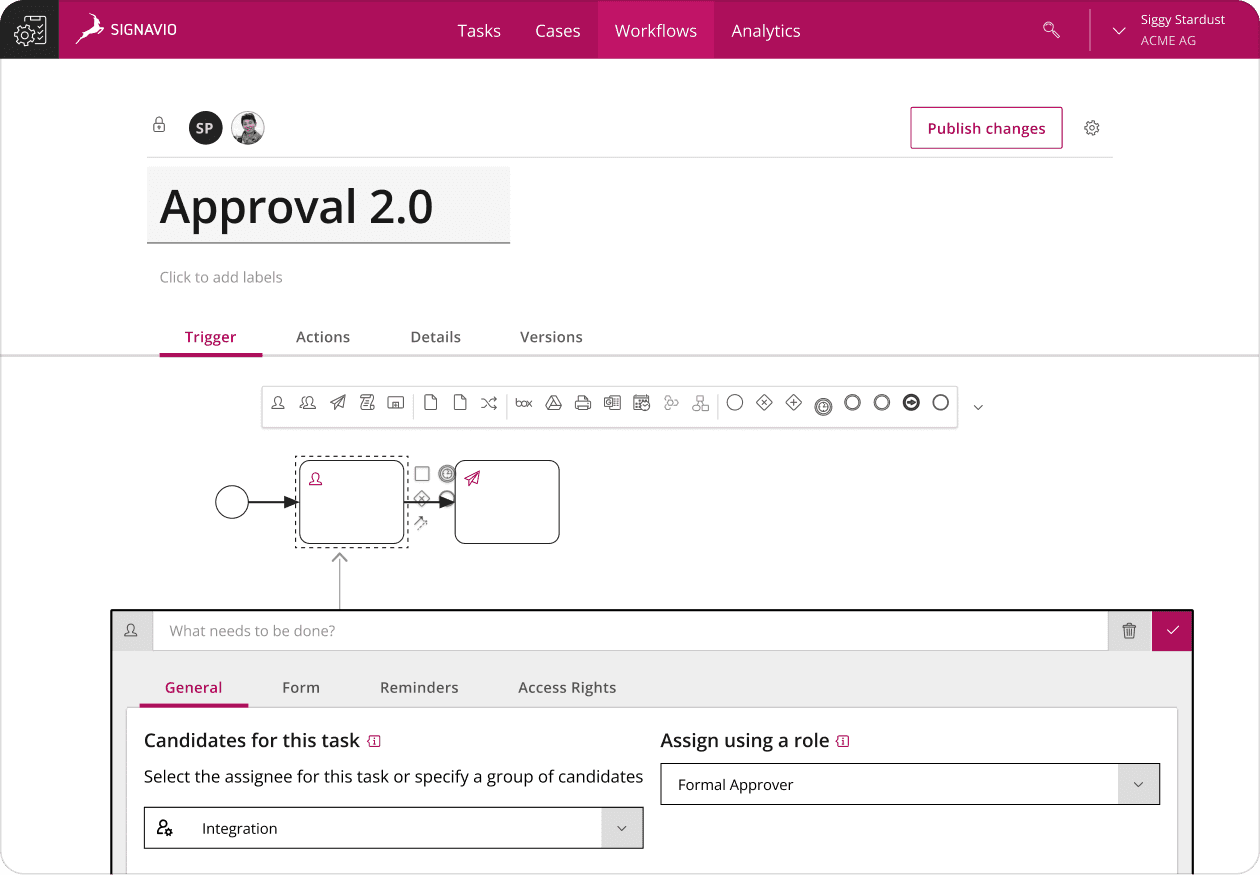
Process Governance was originally a workflow automation product and later transitioned into a dedicated lifecycle management product, without the necessary UX evolution. The experience had also become dated, inconsistent, and misaligned with the suite design system. Known UX issues had accumulated over time, making the product harder to use and weakening overall cohesion.
02 / PROCESS
I initiated a self-driven modernisation effort to pitch a 'compounding UX investment' approach to the Product team. The aim was to show how a few well-chosen, minor but visible improvements could create a polished and consistent experience together.
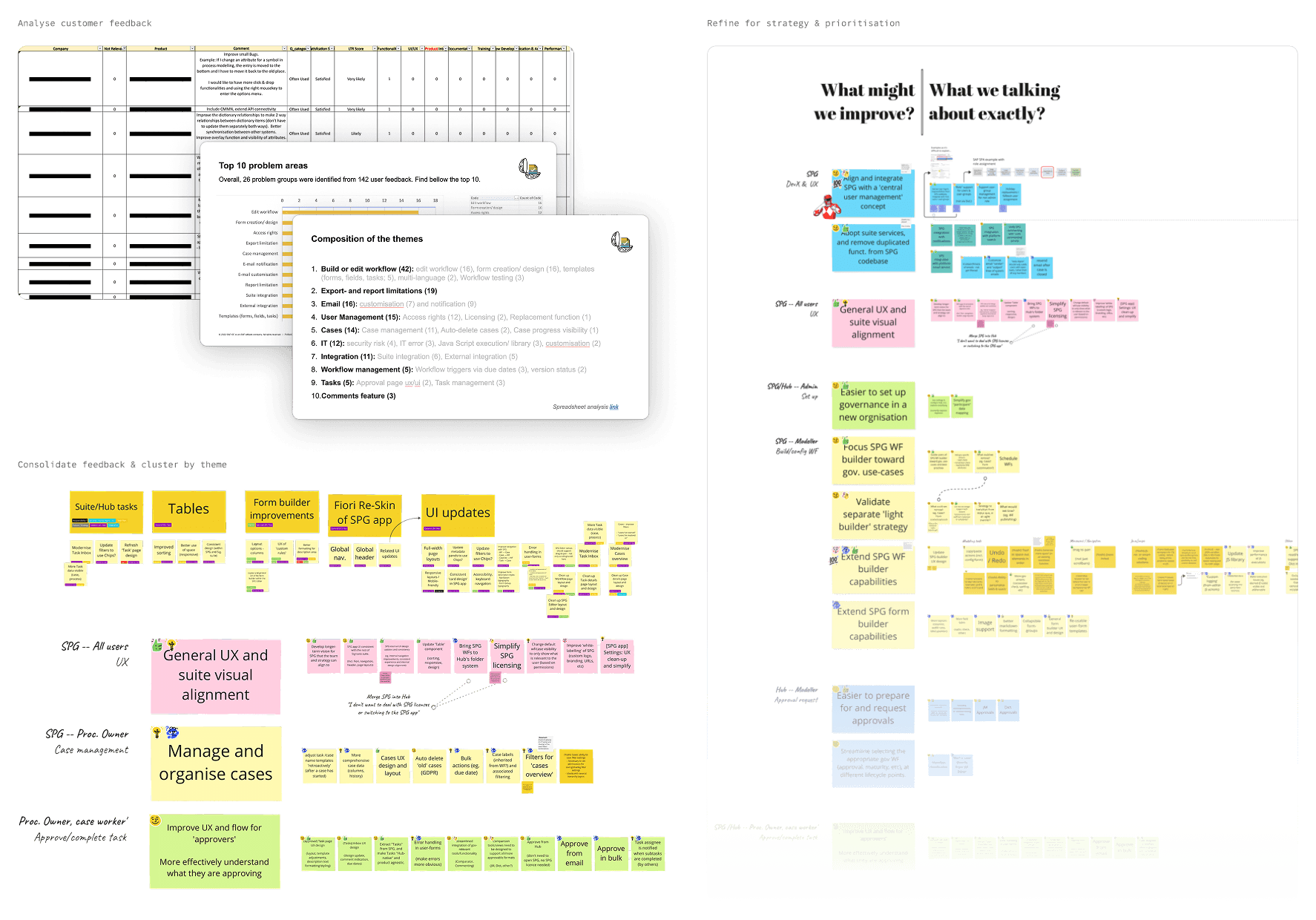
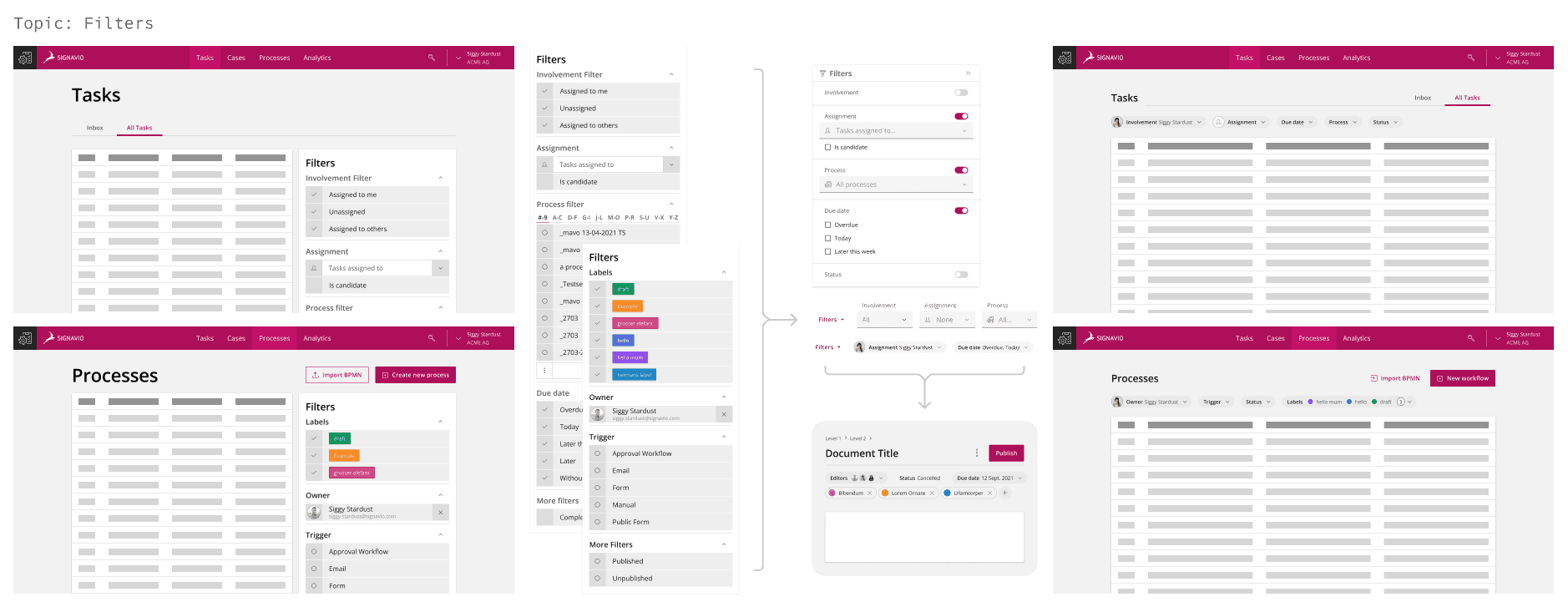
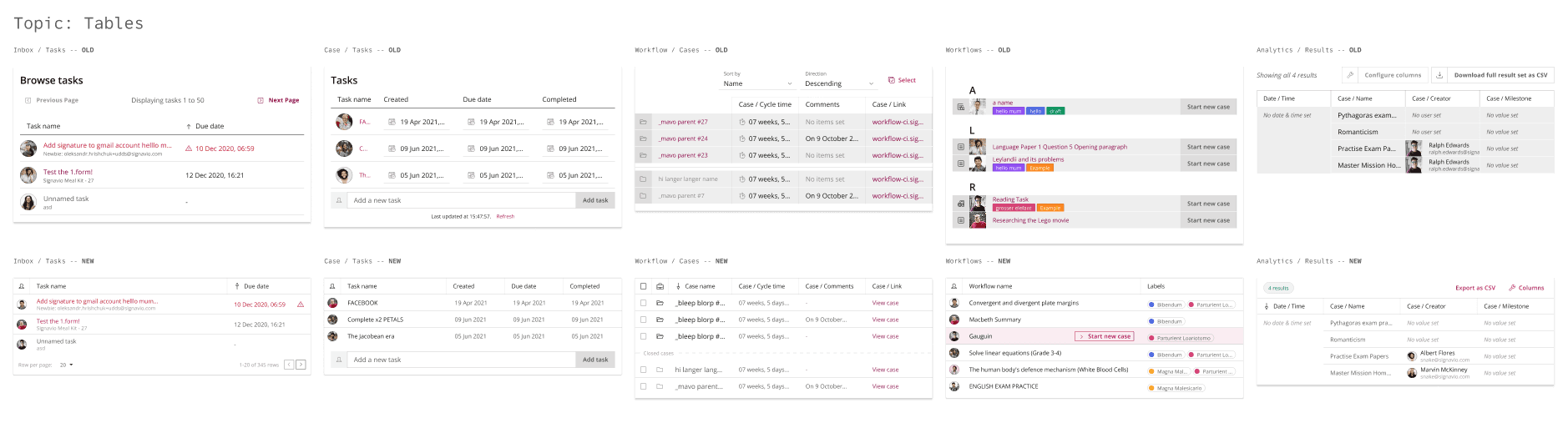
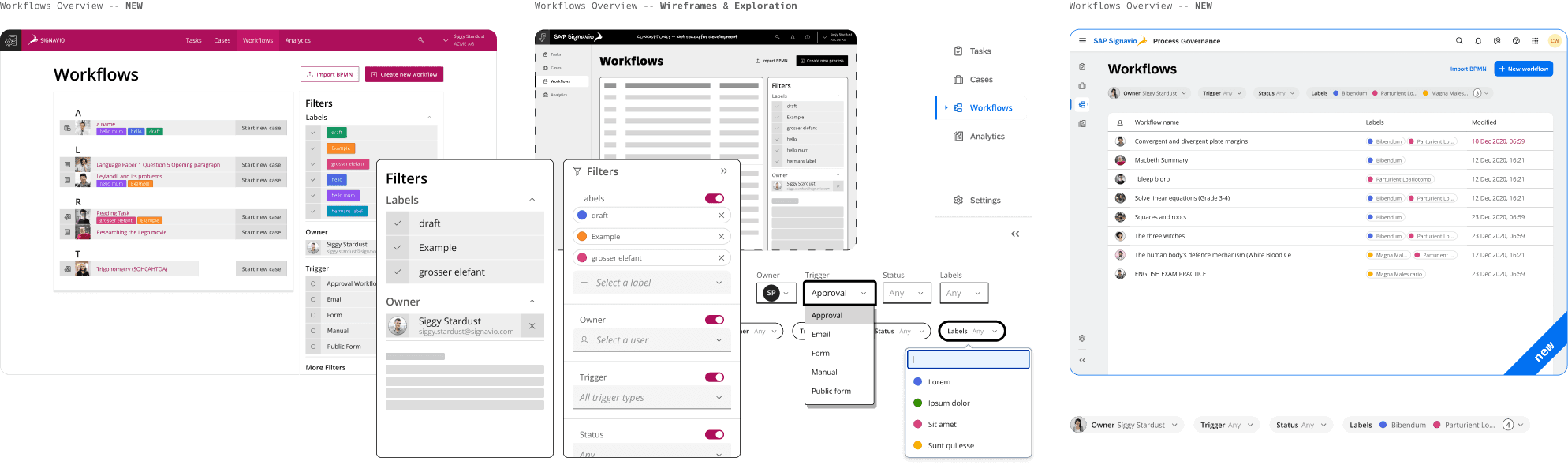
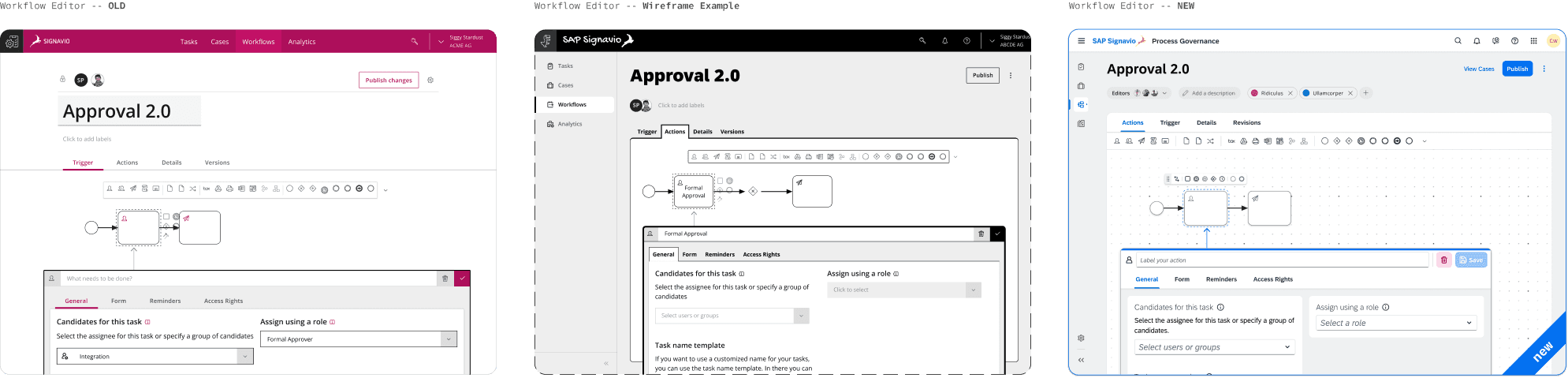
I grounded discovery and definition in long-known pain points, customer feedback, and suite design guidelines, focusing on the parts of the product users encountered repeatedly, where inconsistency was most visible: navigation, layouts, filters, tables, forms, and design system.
From there, I grouped issues into a manageable set of topics that could realistically be tackled incrementally while adding up to a more coherent experience.
03 / SOLUTION
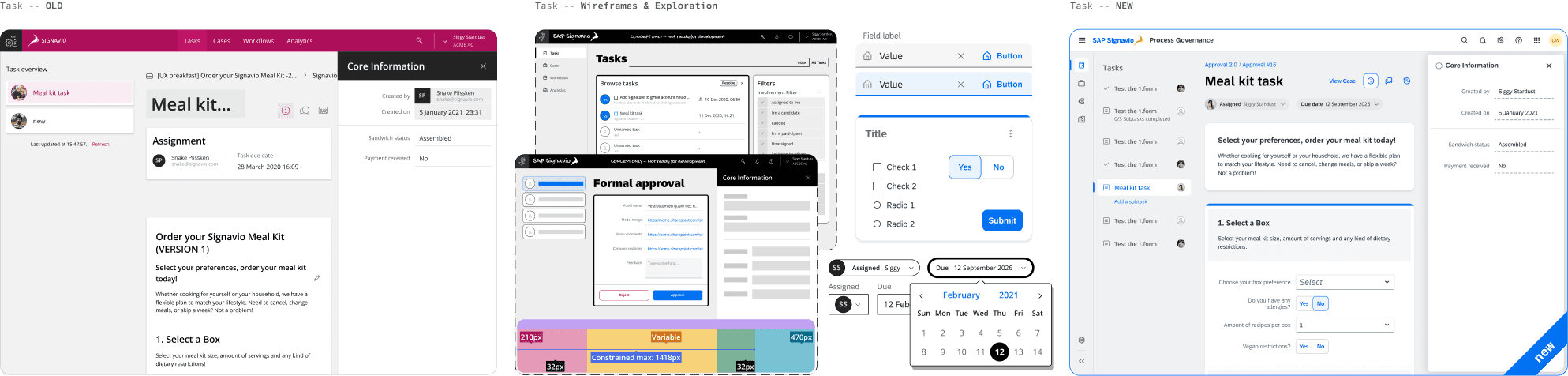
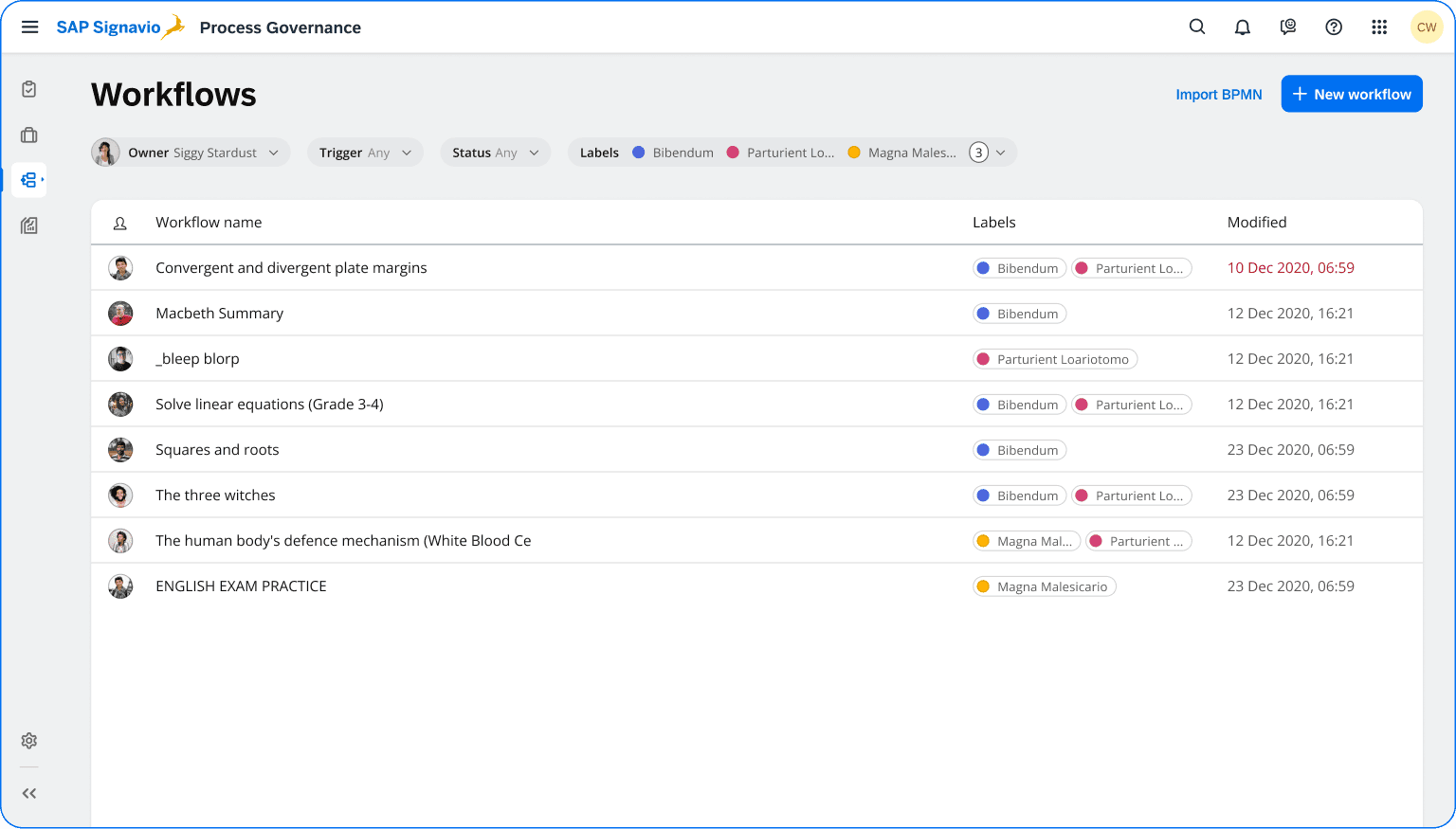
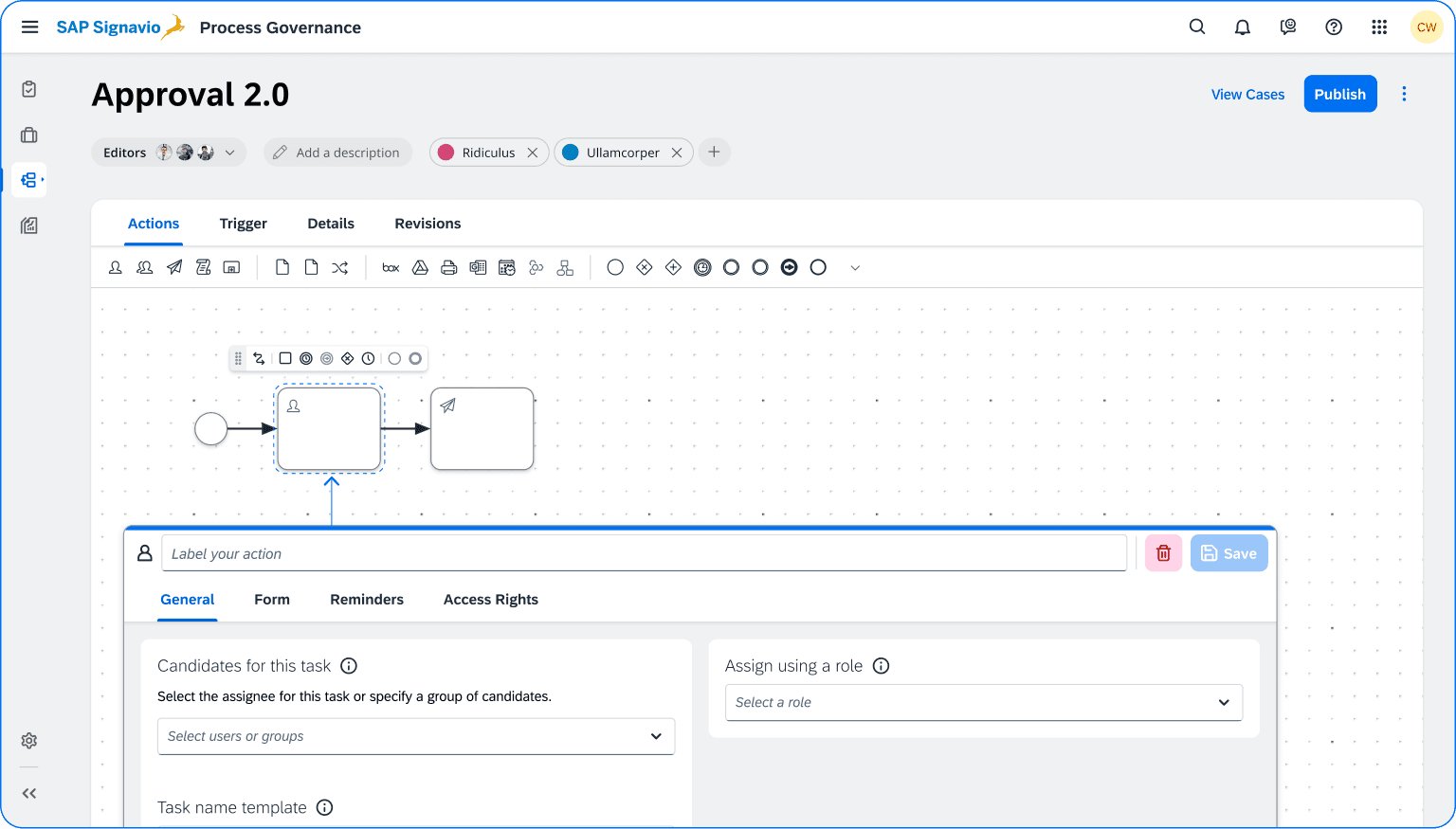
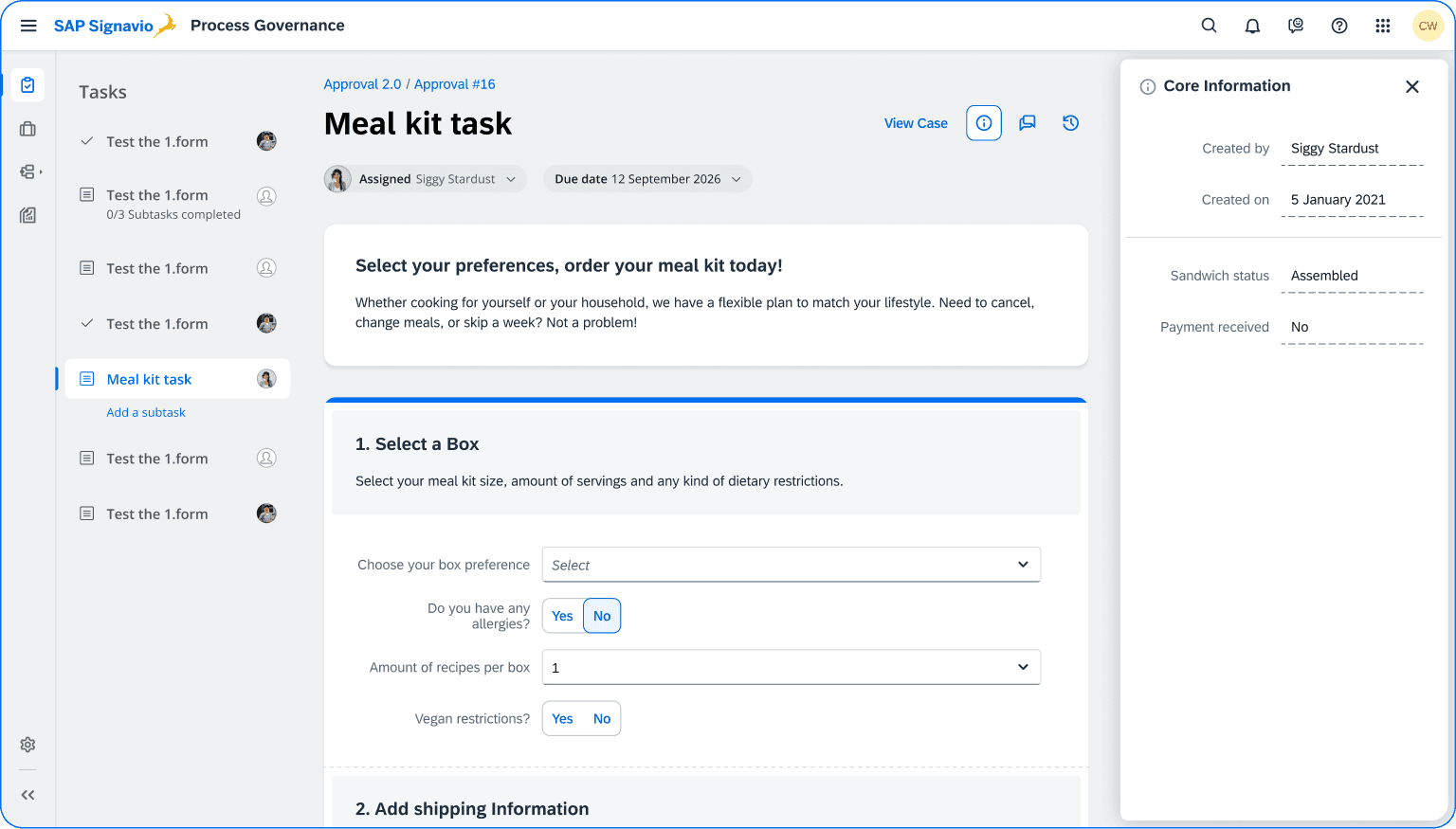
Rather than inventing new interaction models, I used the suite design system as the baseline, updating and standardising existing patterns where possible. I also expanded the work into a cross-product page header pattern covering breadcrumbs, titles, metadata, and page actions, helping connect the concept to broader suite harmonisation.
I created a navigation-based prototype that used a guided journey through the app to showcase these incremental improvements together as a more coherent, suite-aligned experience.
This included updated navigation patterns, a standardised page header, improved card, table, and form design, better alignment with the design system and SAP branding, refined panels and toolbars, and smaller quality-of-life improvements throughout the app.
04 / OUTCOME
The work turned scattered UX issues into a clearer case for incremental UX investment and later informed the official modernisation effort during the SAP Fiori transition.
It also demonstrated a practical, lower-risk path to improving the product through focused refinement rather than large-scale reinvention, showing how steady investment in UX maintenance can compound into meaningful improvements over time.