03
ROLE
Split time between Governance and the design system team; led major parts of the system’s evolution
SCOPE
Cross-product design system, documentation, tooling migration, and SAP alignment
FOCUS
System maturity, adoption, and scalable foundations across a fragmented suite
OUTCOME
A stronger shared foundation that supported consistency and wider adoption
01 / PROBLEM
When I joined Signavio, the in-house design system “Glucose” was still at an early stage of maturity: incomplete, under-resourced, inconsistently documented, and only lightly adopted across a fragmented product suite.
This created both UX and delivery problems. Similar interface needs were solved differently across products, component coverage was limited, and the system was not yet strong enough to serve as a reliable shared foundation. The need for a more coherent and scalable system was already clear.
02 / PROCESS
I approached this as a system-maturity and adoption problem, not just a component-production task. The goal was to make Glucose more complete, more trustworthy, and easier for teams to use as part of normal product work across a fragmented suite.
That meant addressing several barriers in parallel: weak system coverage, uneven guidance, awkward tooling and workflow gaps, and the perceived overhead of relying on the design system instead of solving needs locally inside product teams. A large part of the challenge was not just improving the system itself, but reducing the unknowns around using it.
To support adoption, I actively evangelised the system across teams and proposed a rotating steward model, where designers and developers joined the design system effort for fixed periods to build familiarity, spread knowledge, and reduce the sense of it being an opaque dependency owned by others.
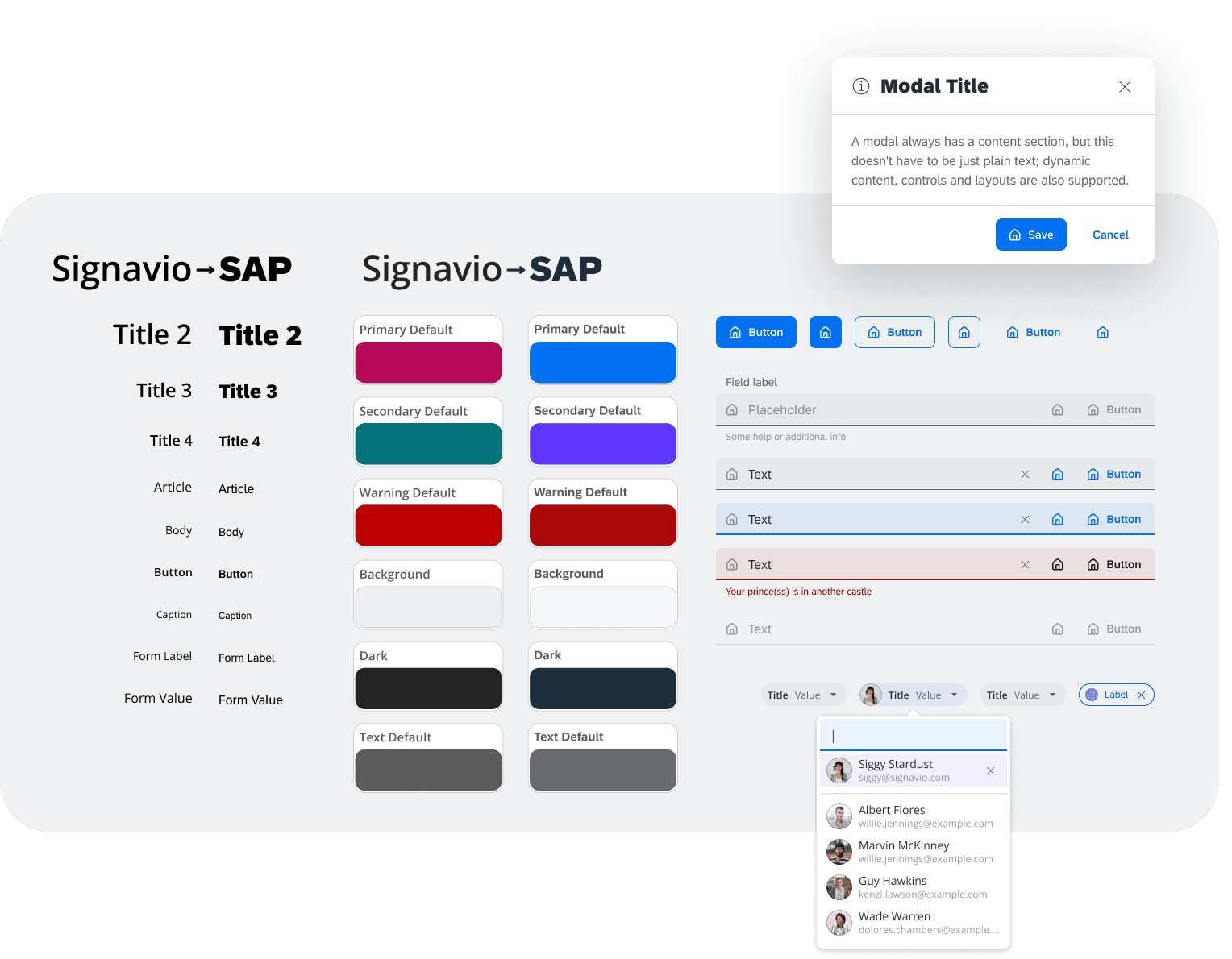
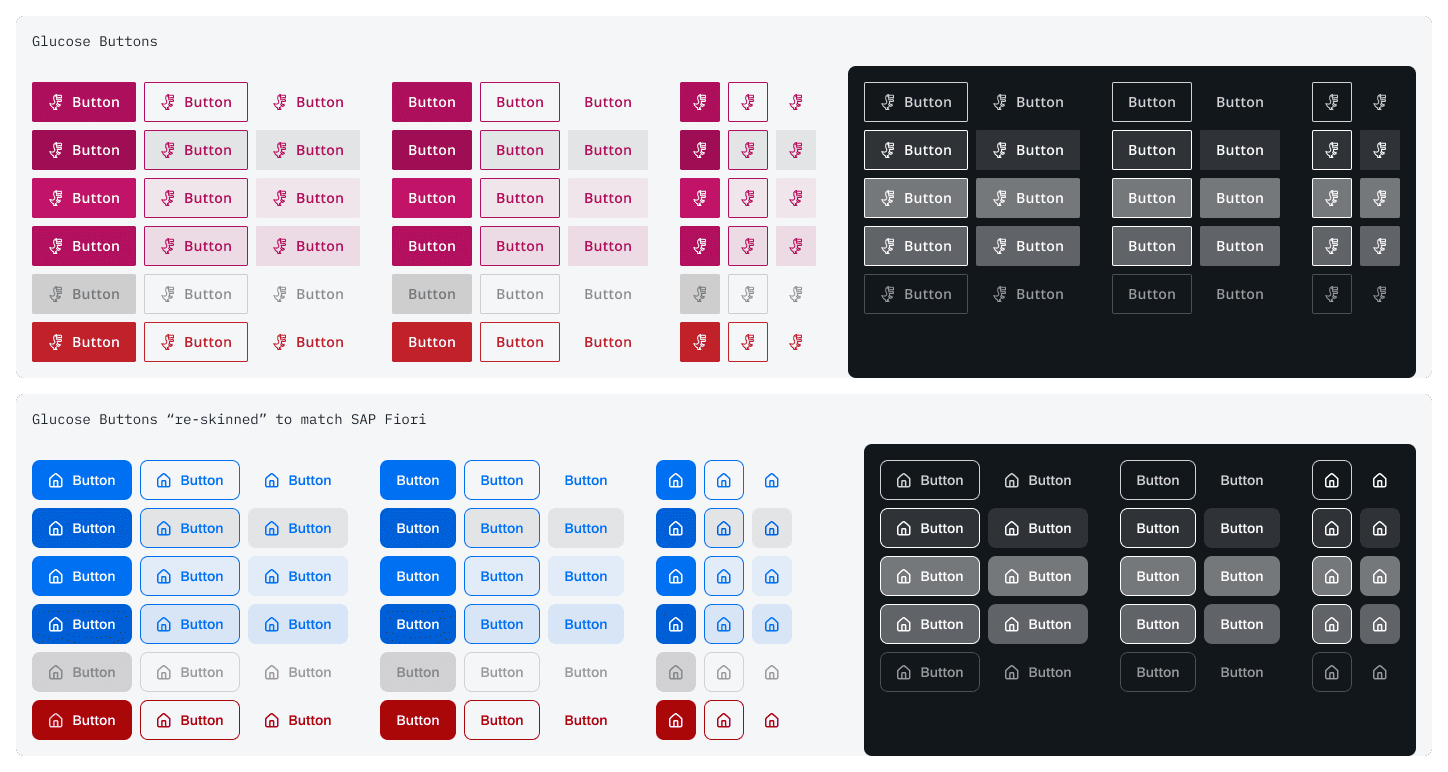
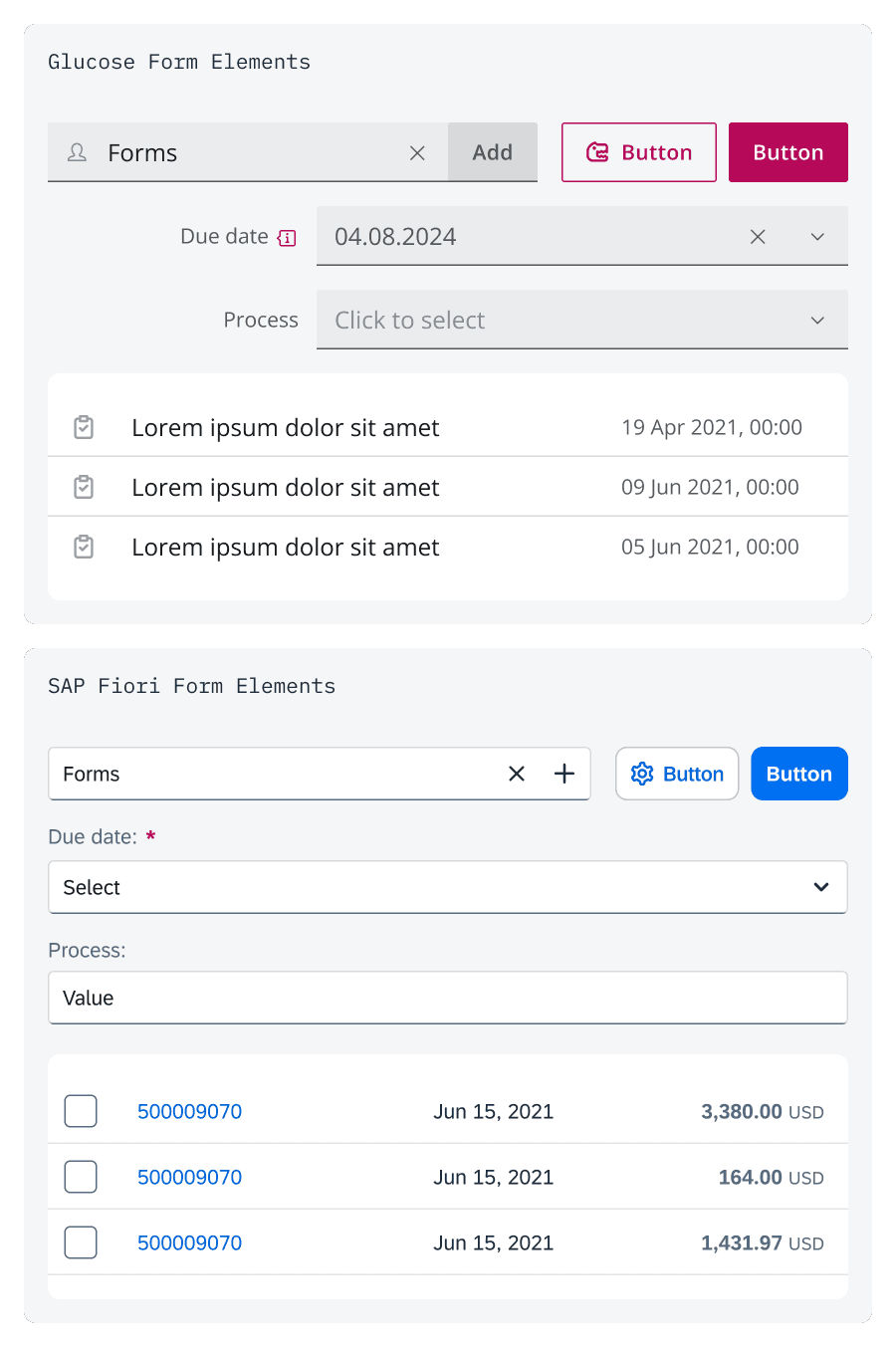
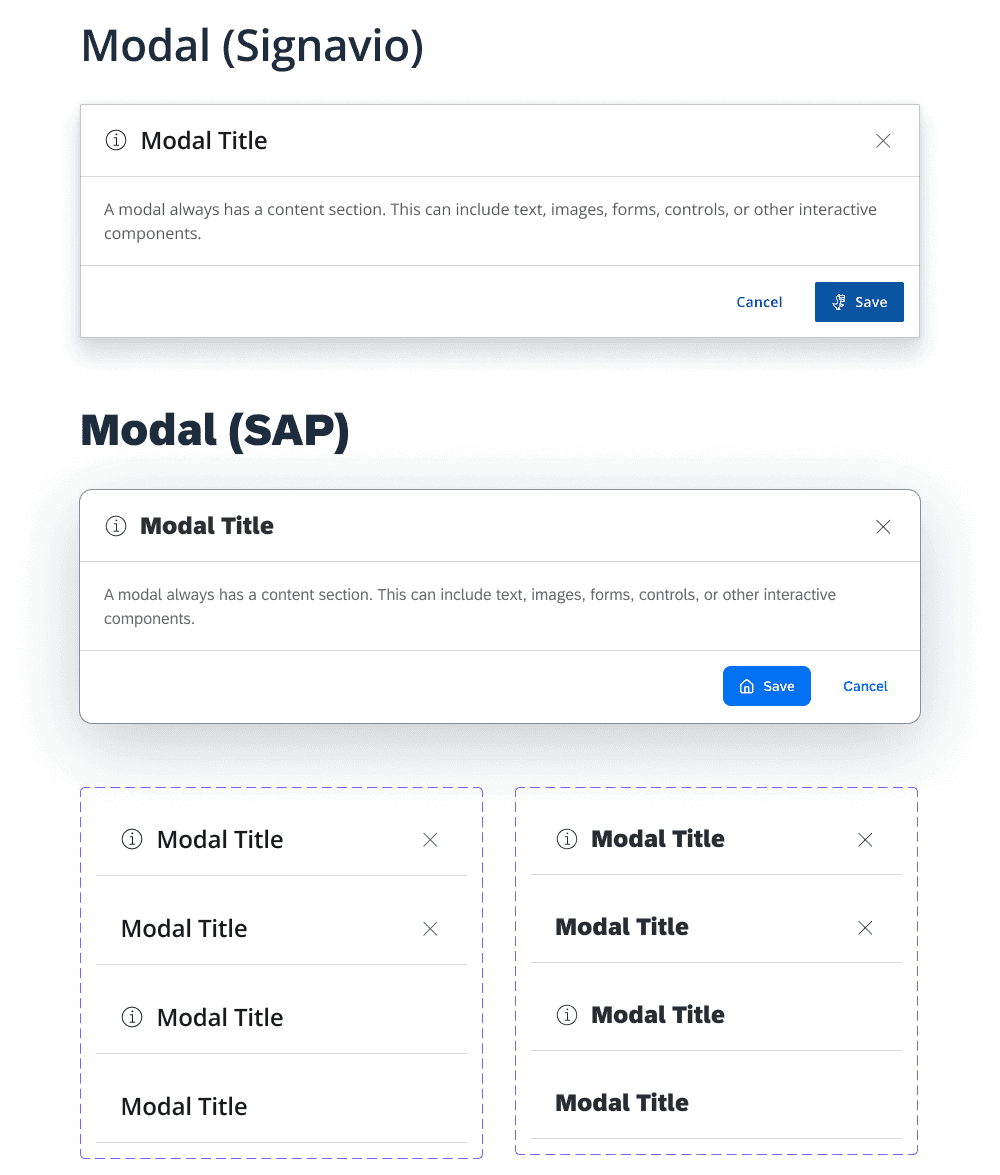
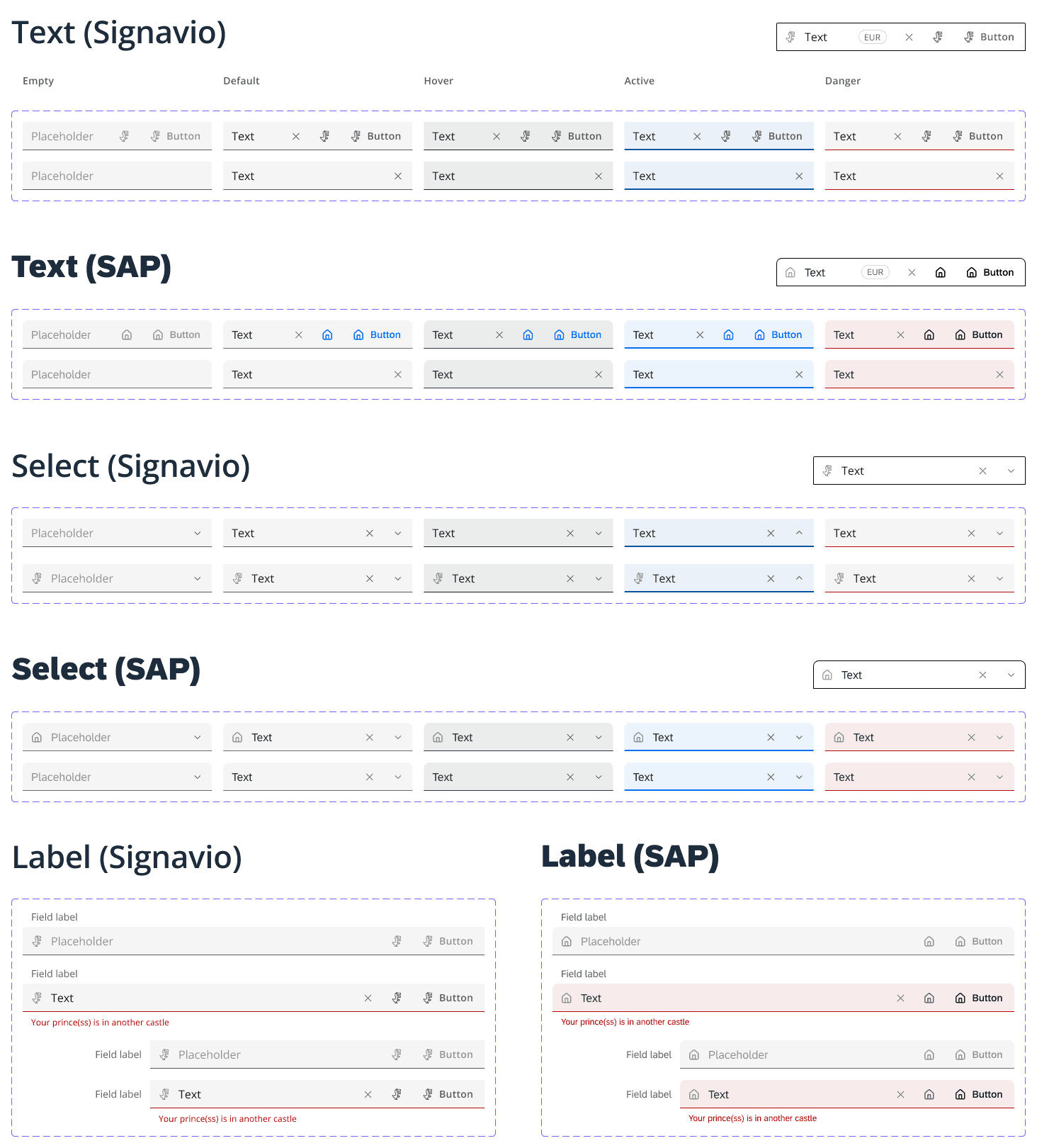
When SAP integration later became an official direction, I helped map equivalences between Glucose and Fiori and shaped an interim “re-skinned Glucose” approach, so products could align visually first while actual components could be updated more gradually behind the scenes.
03 / SOLUTION
I contributed across multiple layers of the system to make it more complete, usable, and scalable.
A major part of this was helping move Signavio’s design team from Sketch to Figma. I presented the case for Figma over the existing toolchain, then rebuilt the component library in Figma almost entirely myself, with only a few collaborative exceptions, so the team could transition onto a stronger and more maintainable foundation. I also supported the migration with workshops and by helping map older workflows, such as prototyping and version control, into Figma’s native model.
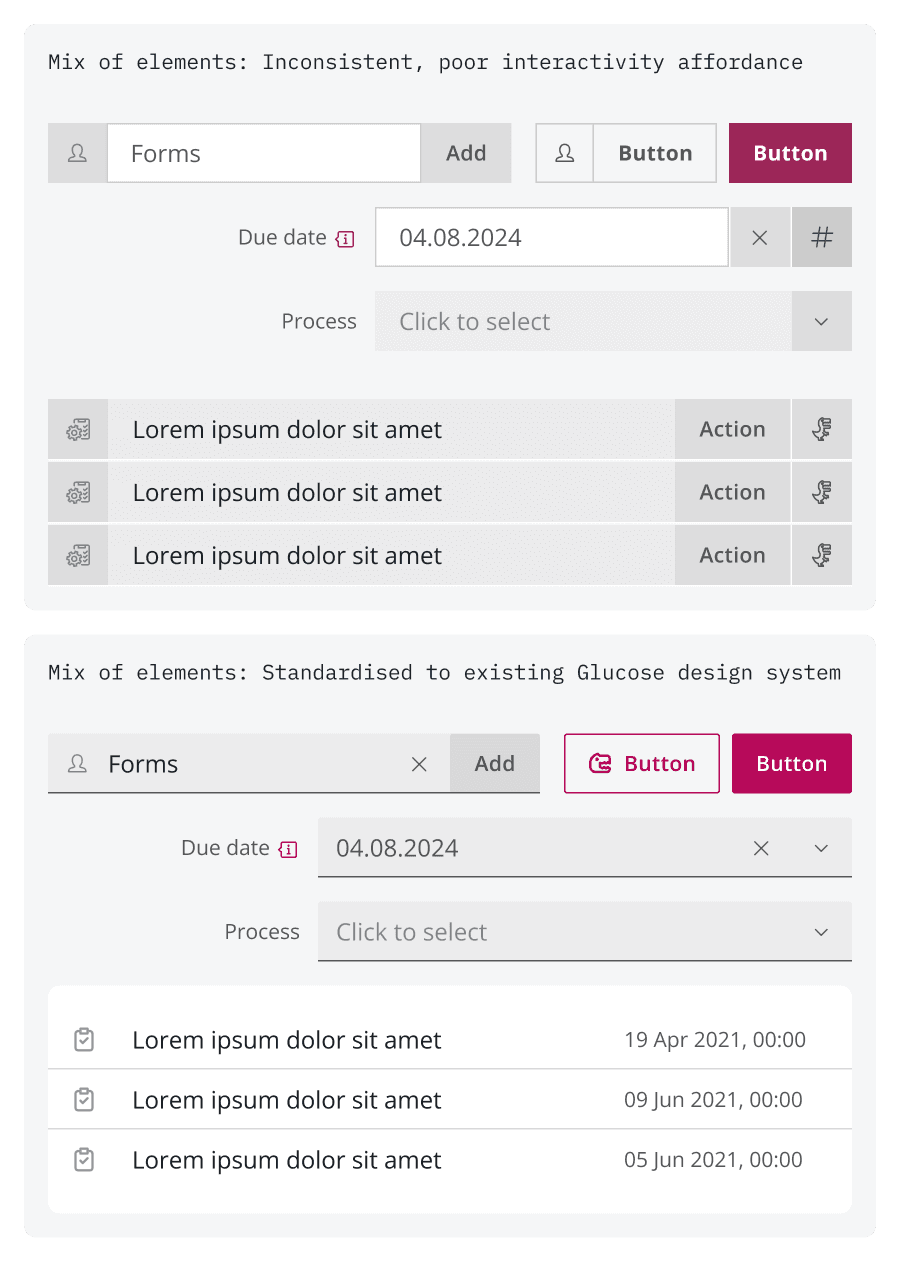
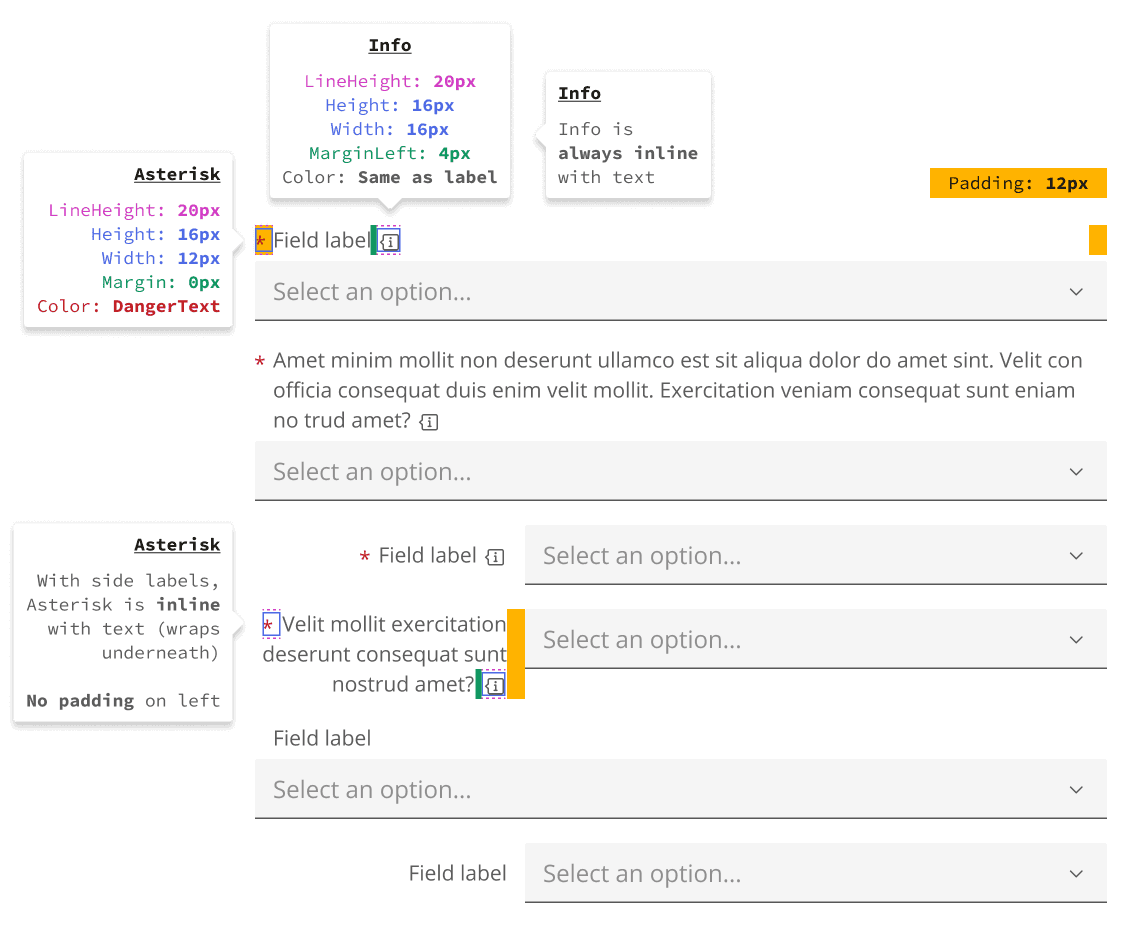
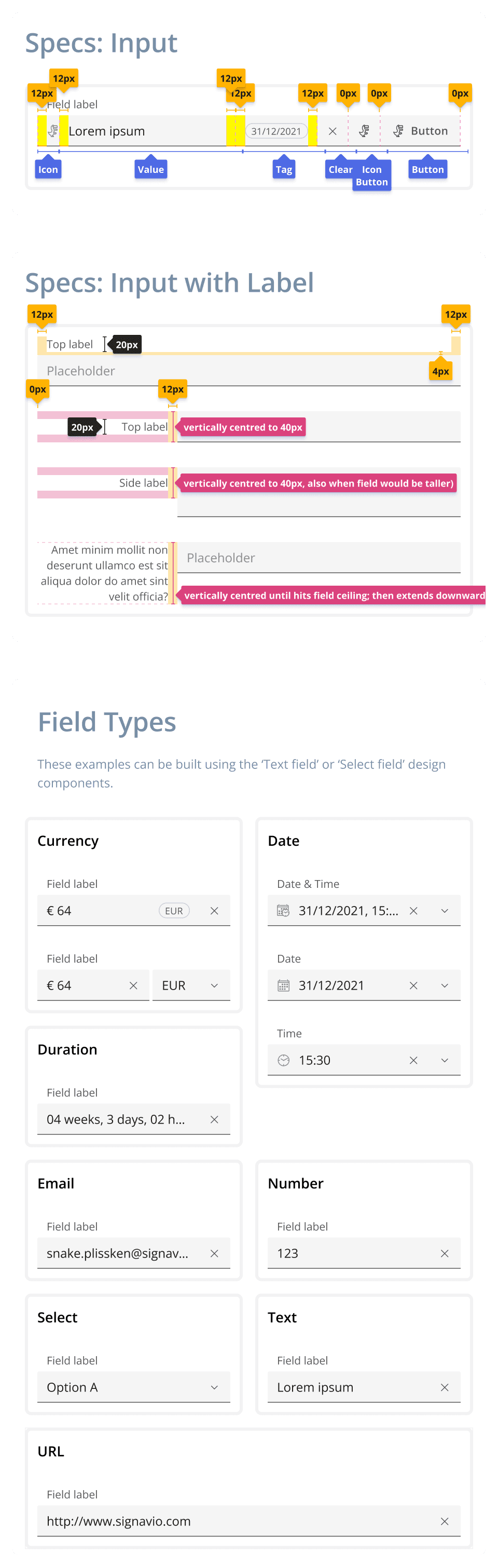
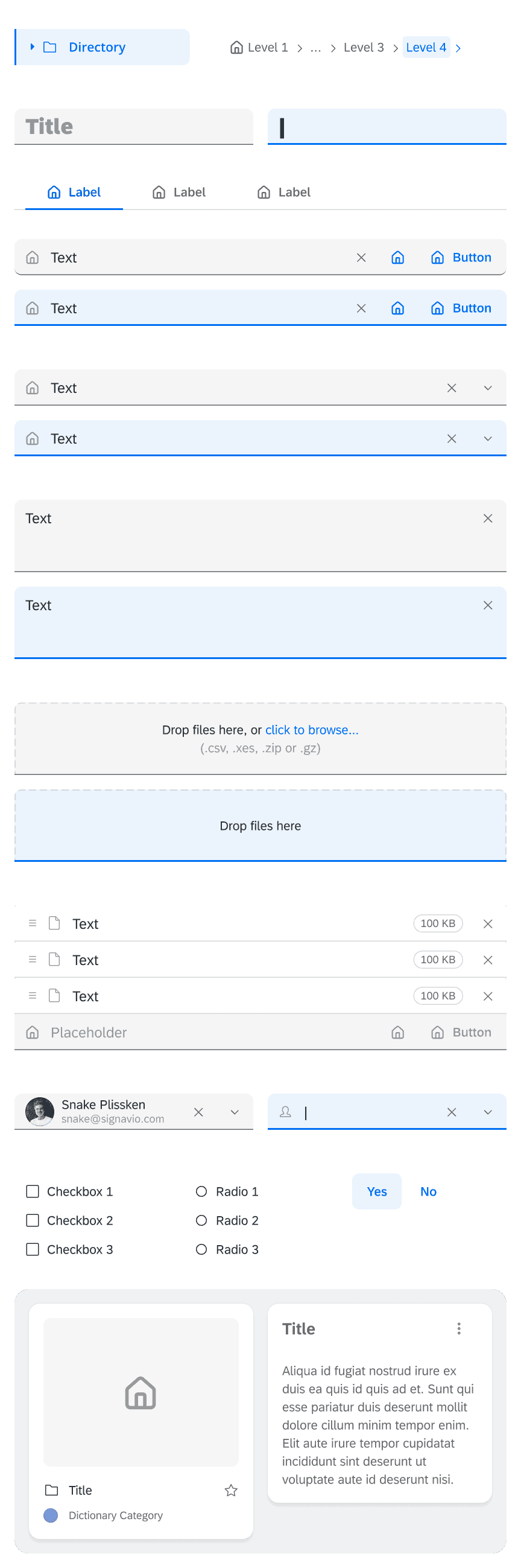
Beyond the tooling migration, I established a token-based structure that better supported theming and the brand flexibility expected across Signavio’s products. I also worked closely with engineers to redesign and refactor the forms system, improving usability, accessibility, and micro-interactions across foundational inputs such as text fields, toggles, selects, and lists.
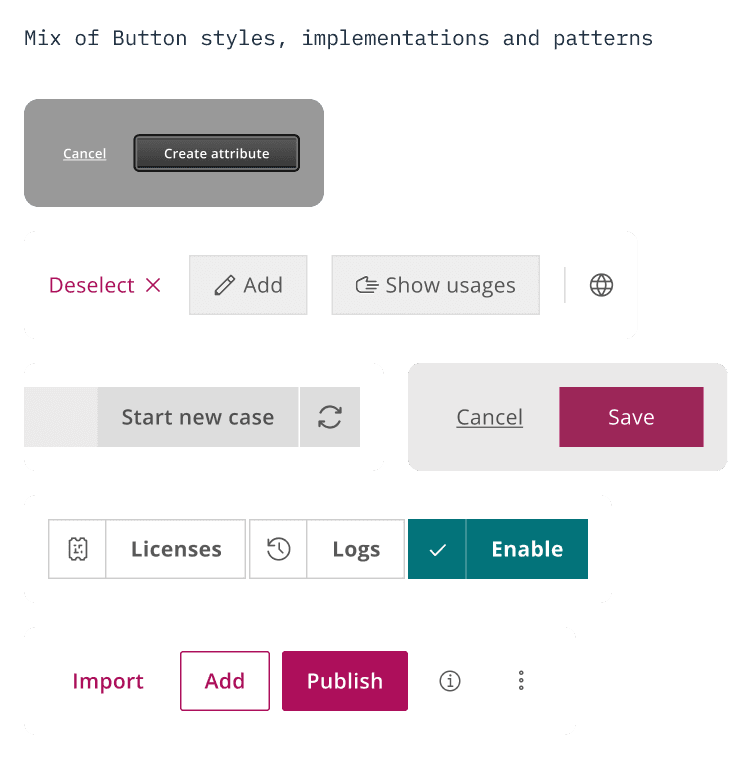
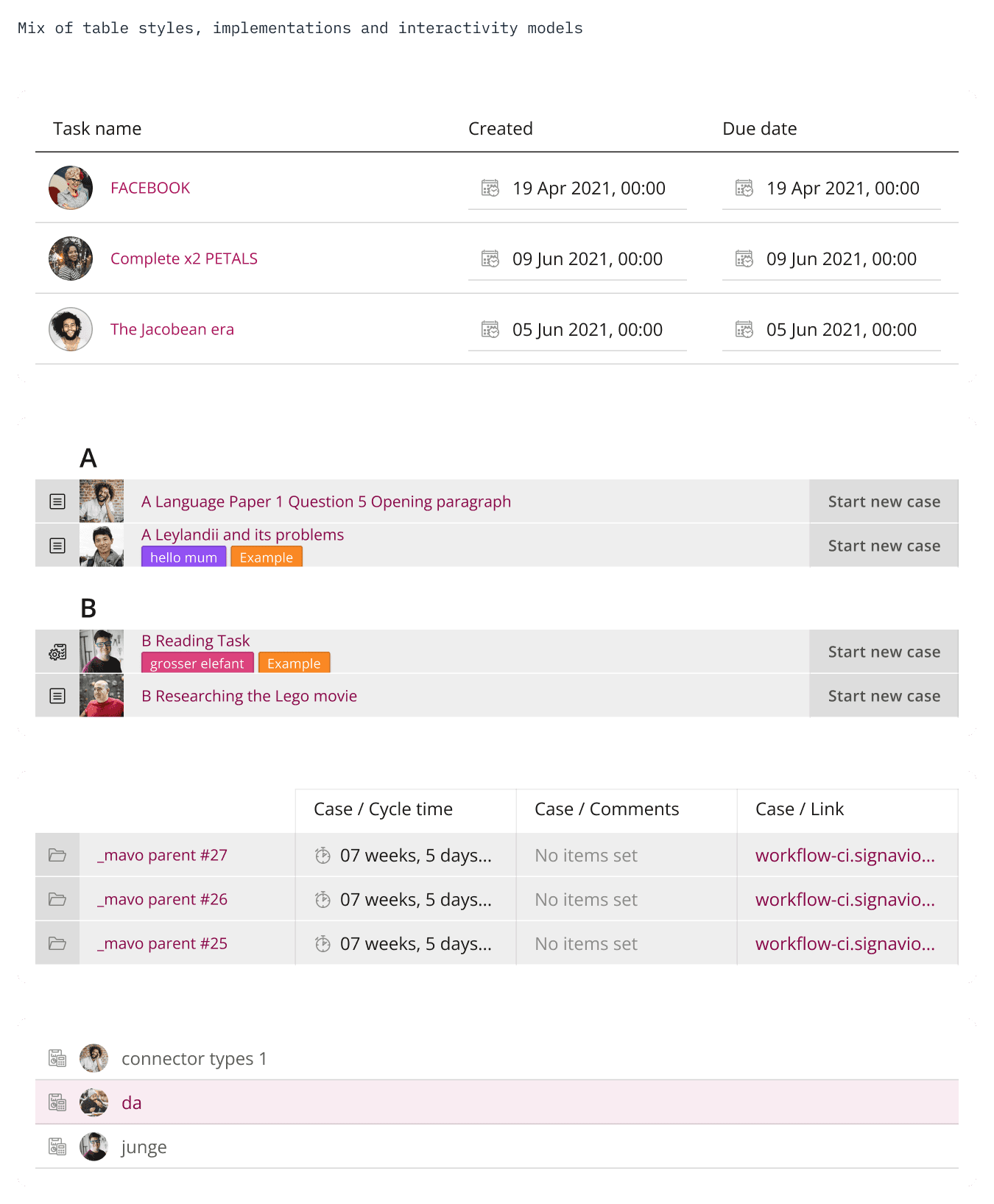
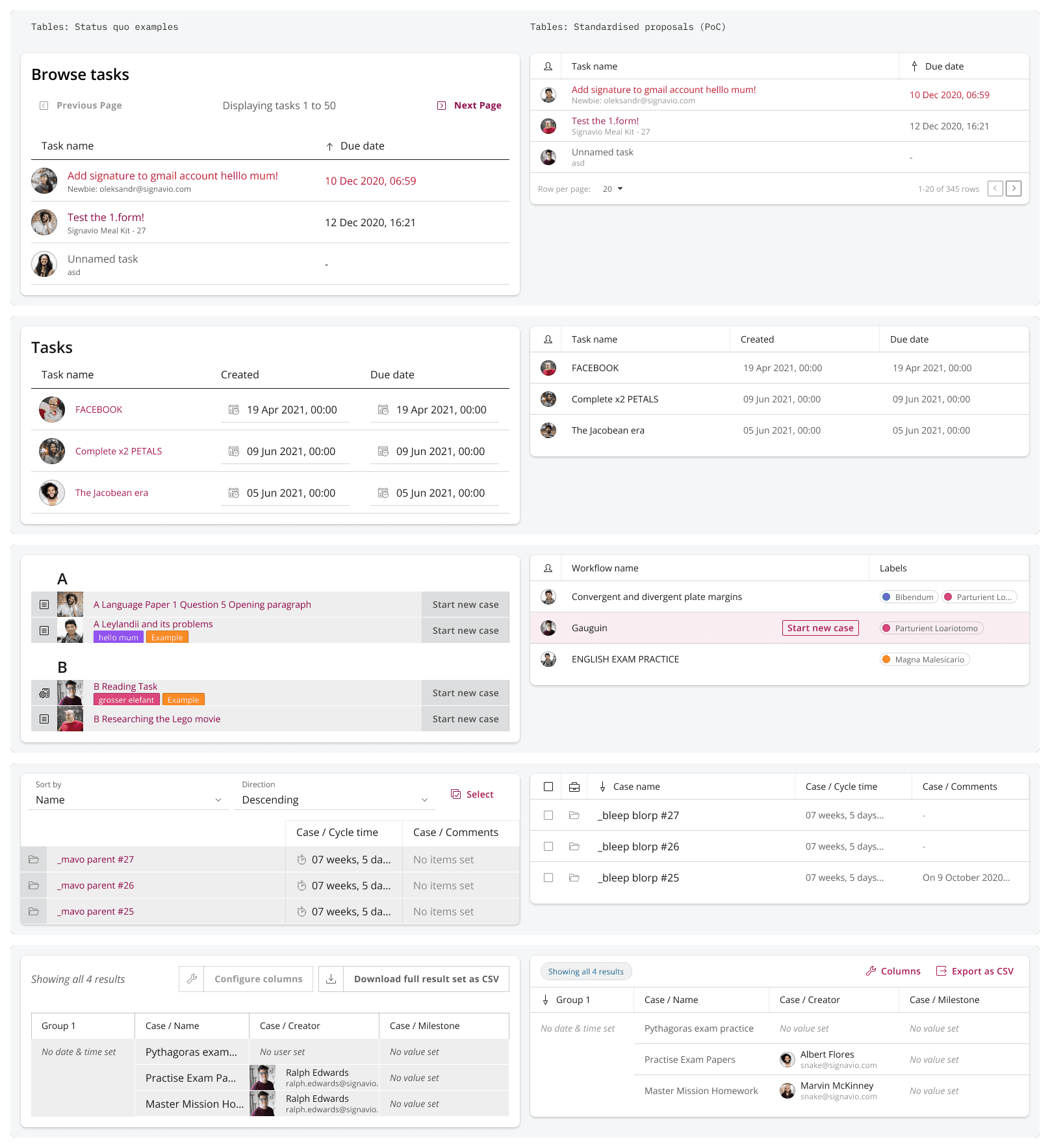
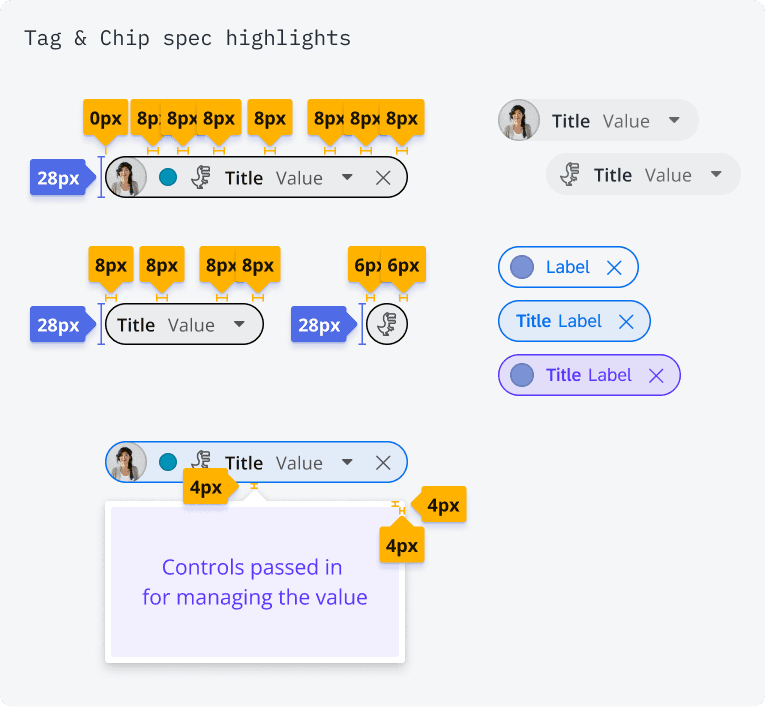
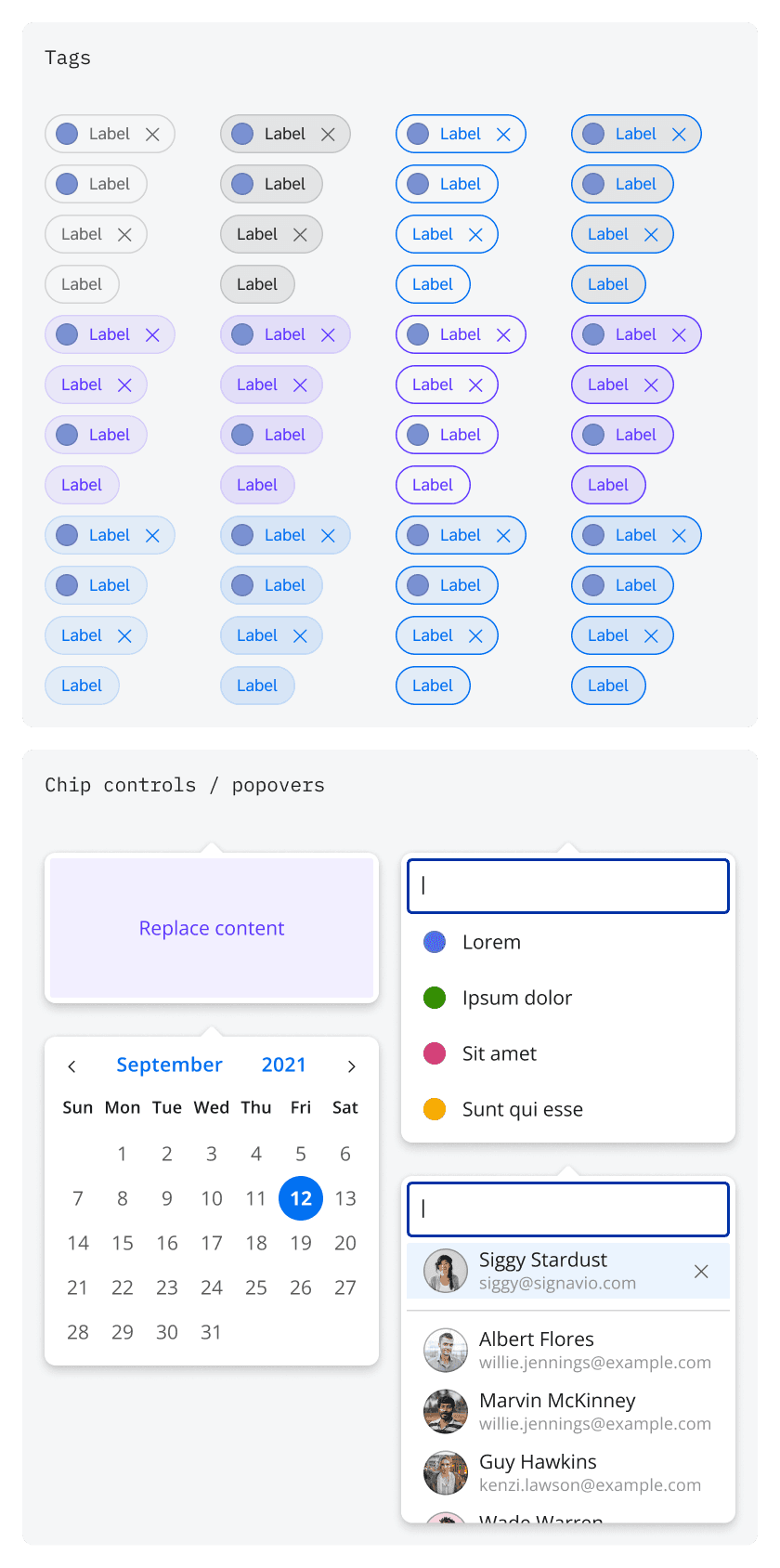
I expanded system coverage with additional components such as Chips, Tags, and Tables, and improved supporting guidance through clearer documentation and examples. To make the system easier to use day to day, I also rewrote parts of the documentation and personally improved the online style guide’s visual design and CSS so it was easier to navigate and more useful as a working reference.
04 / OUTCOME
This work helped turn Glucose from a partial internal library into a stronger shared foundation for product teams across the suite.
It improved consistency between products, supported broader adoption, and gave teams a more practical basis for designing and building with shared patterns. Just as importantly, it centralised more of the suite’s interface logic behind a common system, reducing redundancy and making later change easier to coordinate.
That earlier investment in the system and its adoption later proved strategically valuable when SAP required alignment with Fiori. Because much of the UI had already been standardised and centralised through Glucose, the transition became far more manageable than it would have been otherwise. The interim re-skinned Glucose phase allowed visual alignment to happen first, while deeper component migration could continue progressively in the background without disrupting the end-user experience.
These outcomes reinforced the value of design systems as critical product infrastructure for consistency, scalability, and cross-team coordination.